
Landscaping, pressure washing and cleaning marketing when every job is small and you need a lot of them.
Where small-ticket work really comes from, the break-even math that decides what you can spend, and the order to fix your profile, reviews and referrals.
Last reviewed November 20, 2026 against Google's own help pages. Google changes these rules often; if a step doesn't match what you see, trust the help page linked in Sources.
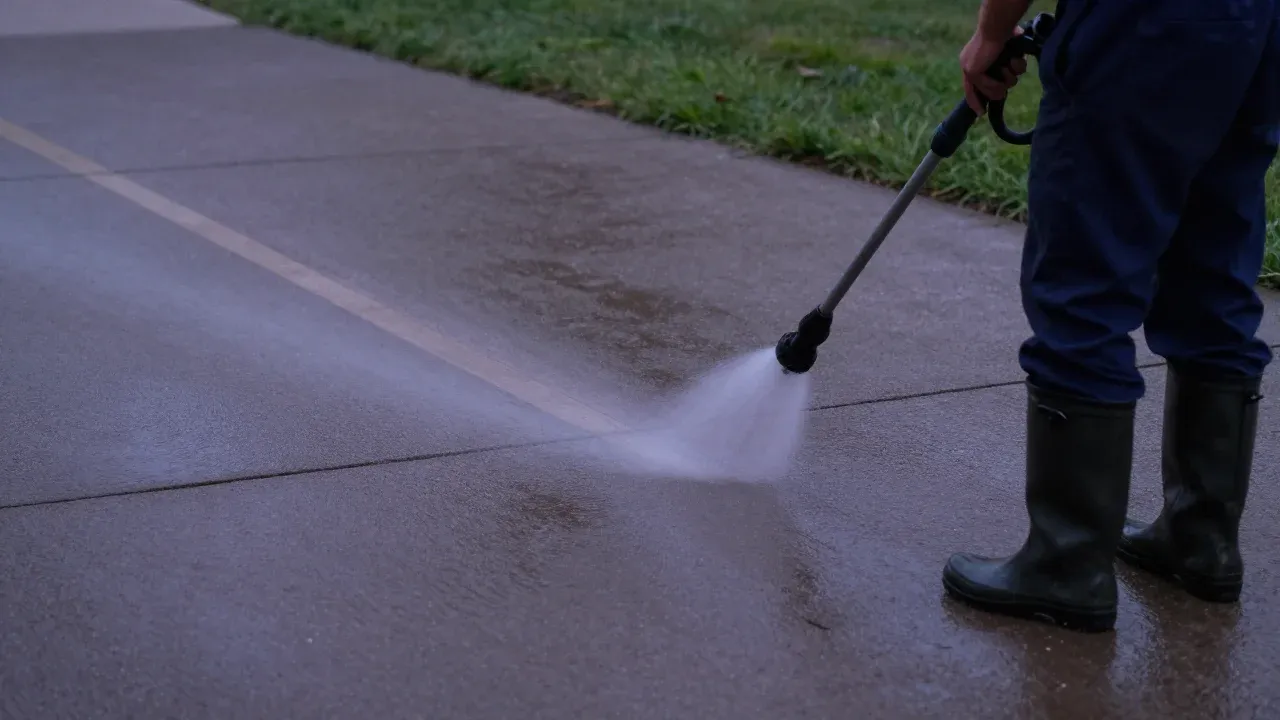
Low-ticket trades win on volume that comes back: referrals, repeat customers and recurring routes. Fix your Google profile, send a review link after every job, ask for referrals and offer a recurring plan before you pay for leads, because a $55 visit cannot carry a $60 lead unless the customer stays.
01
Why does a small job break the usual marketing math?
Because one visit is worth so little that the only way to pay for marketing is repeat work. Here are example numbers.
Those are example numbers for illustration, not industry benchmarks. Swap in your own ticket and margin in the marketing break-even calculator and the figure that matters is the last column: how many customers you must keep, not how many leads you must buy.
02
Where does small-ticket work really come from?
Owners named their top lead sources, and the winners are not the paid ones.
Read it as a map, not a verdict. Facebook, at 32%, is a real source, and Google Search at 20% is the channel this library is about. What stands out is how high the two free ones sit, which is why the next section starts there.
03
In what order should I fix my marketing?
Six steps, cheapest first. Do not skip ahead to the paid ones.
Make your Google profile complete: real hours, a service area, one honest category and fresh before and after photos.
Send a review link after every finished job, the same day, by text.
Ask every happy customer for one referral, and tell them what you will do for the neighbor.
Offer a recurring plan, so a one-off wash or cleaning becomes a route.
Put your service areas, hours and a short FAQ on a one-page site.
Only then test a paid channel, with every call tracked and a stop-loss date.
The 43%, 65% and 74% figures come from the same Jobber survey: the share of home service businesses that do not clearly list service areas on their website, do not show business hours and have no FAQ section (source).
The profile steps are in the 15-minute weekly Google profile routine, and a profile that quietly disappears is a different problem: what to do when your Google profile is suspended.
04
How do I put a review link in every customer's hand?
A link or QR code from your profile, texted before you drive away.
Save the link in your phone as a note and paste it into a text when you finish. A printed QR code on your invoice works too.
Never offer a discount or any reward for a review. Google prohibits it, and it covers posting, changing and removing reviews.
Templates for the text are in how to get more Google reviews.
05
Should I pay for Local Services Ads or a lead site on a $55 job?
Only if the customer stays. Here is what Google lists and what an owner paid.
One owner of a small local service business posted that a call looked like a scam, went unanswered, and the lead was still charged at $60 (source). Google says its system checks leads when they arrive and may credit charged ones later, so lead status is worth checking weekly. Google also stopped crediting leads for jobs or places you do not serve.
Lead sites sit in the same trap. The FTC's order against HomeAdvisor says it recruits service providers such as general contractors and lawn care businesses, and charged it with misleading claims about the quality and source of its leads (source).
Compare channels on what they cost per booked job, not per lead: see cost per booked job and the calculator, and check how much a contractor should spend on marketing before you set a budget.
06
What do I do when the phone has been quiet for weeks?
Do these five things in two days, before you spend on anything.
Why this list
An owner in a pressure washing forum wrote that three weeks without a job feels like losing the house. A plan beats panic spending (forum thread).
-
Step 1: Text your ten best past customers today
Send a short, friendly note: you have openings this week and you would value a referral. Do not offer a discount or reward for a review.
- Ten texts
- Same-day replies
Done when: ten texts sent and any replies answered the same day.
-
Step 2: Check that your Google profile is live
Search your business name on your phone. A suspended or edited profile can look like a quiet phone.
Done when: the profile shows, the hours are right and the phone number works.
-
Step 3: Post three before and after photos
Use jobs you finished this month, taken in focus and unfiltered.
- In focus
- Unfiltered
Done when: three new photos on the profile and one in a social post.
-
Step 4: Ask three property managers or HOA boards for a quote slot
Recurring accounts smooth the empty weeks. Say what you do, where, and when you can start.
Done when: three quotes requested and a follow-up date on the calendar.
-
Step 5: Write down where the last ten jobs came from
Check your invoices and ask. Do more of the top source and drop the one that returned nothing.
Done when: a ten-row list you can compare next month.
If your calls dropped overnight, run the ranking-drop diagnosis first, because a suspension or a map shuffle needs a different fix than a slow week.
Other questions owners ask
Is it worth running ads when a lawn visit is only $55?
It depends on whether the customer stays. A weekly customer who keeps you all season is worth many visits, while a one-off job is worth one. Work out your margin per visit and how many visits a typical customer buys, then see what an ad has to produce to pay for itself. The marketing break-even calculator does that arithmetic.
Do door hangers, flyers and yard signs work?
In Jobber's survey of 1,050 home service owners, postcards or flyers, door-to-door sales and yard signs or vehicle wraps were each named as a top lead source by 8%, against 59% for referrals. That is how many owners named them, not how well they convert, so test one small batch and track every call.
Do I need a website for a one-truck cleaning or lawn business?
A simple one helps, because many sites miss the basics. In the same survey, 43% did not clearly list service areas, 65% did not show business hours and 74% had no FAQ section. One page with those three things covers most of the gap.
Should I raise my prices?
Many small cleaning businesses do not. Jobber found cleaning pros were the least likely of its trades to raise prices, with only 55% reporting an increase, against 83% for HVAC. If you have not raised yours in a year, check your costs first.
Can I use Local Services Ads for pressure washing?
Google's screening page lists lawn care, landscaping services and house cleaning among its categories, and does not name pressure washing. Check your own Local Services dashboard or the sign-up flow for your category and area before you plan around it.
Sources (8)
- Jobber: 2026 Home Service Trends Report (survey of 1,050 home service owners, December 2025)
- Google Business Profile Help: Create a Google link or QR code to request reviews
- Google Business Profile Help: Tips to get more reviews
- Local Services Help: Business screening and verification requirements (United States)
- Local Services Help: About Automated Local Services Ads lead credits
- FTC: Order requires HomeAdvisor to pay up to $7.2 million (January 2023)
- r/sweatystartup thread: charged $60 for a Local Services lead the owner did not pick up
- r/pressurewashing thread: three weeks without a job
Why we wrote this. Owners of small-ticket trades described feast-or-famine weeks and lead charges that outweighed the job in our November 2026 study of more than 500 contractor comments (how we did the research). We added a published owner survey and example math, labeled as examples.

Free, no call needed